

March 19, 2026

Whole-House Surge Protection: Why It’s Worth It

Author

ONERYNO

Update First Last in Content -> Business Text -> First Last field

Date

March 19, 2026

Share

Electricity is inherently prone to erratic behavior. It can surge, sag, or be disrupted easily due to its sensitivity to environmental factors, mechanical failures, and load changes. These unpredictable fluctuations can significantly damage small devices and expensive equipment. To control electricity and make it safe in a home, electrical engineers developed devices that regulate voltage in circuits.

These devices are called surge protectors, and a whole-house unit takes that protection to a much higher level.

What Whole-House Surge Protection Does

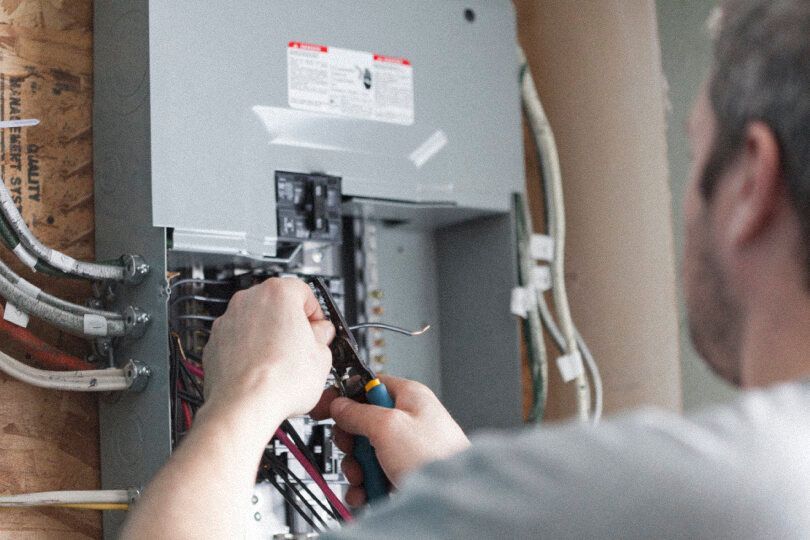
A whole-house surge protector is a device installed at the electrical panel to protect the circuit, systems, and electronics from dangerous voltage spikes. It works by redirecting excess voltage to the home’s grounding system before it can travel through the wiring and reach your appliances. This reaction occurs in a fraction of a second, which is critical because a surge can move through a circuit almost instantly.

What Causes Power Surges in a Home

Power surges and sags are always occurring in your home’s electrical circuits. This is simply the nature of electricity. You may have noticed that your devices and outlets are assigned a safe operating voltage range rather than a specific value.

The problem begins when the voltage rises above what the equipment can tolerate. This can happen because of the following factors.

Lightning Strikes

Lightning is electricity formed in the atmosphere. When electrostatic charge builds between clouds or between a cloud and the ground, the imbalance eventually becomes too great for the air to resist. Air usually acts as the insulator between the positive and negative charges between a cloud and another cloud or the ground.

The charge releases in a sudden discharge that you see as a lightning strike. This release carries an enormous amount of energy (300 million volts). Even a strike that hits near your home can send a surge through the utility lines and into your electrical system.

Utility Grid Issues

When the utility company switches power between circuits, brings equipment online, or experiences a fault somewhere in the system, the flow of electricity gets interrupted. This disruption creates a power surge that can travel into your home’s electrical system.

Outages and Restored Power

When power goes out, the electrical system in your home settles into an inactive state. Once the utility restores power, the returning electricity does not always reenter the system smoothly. The initial rush of current can be higher than normal as the grid stabilizes, thus creating a surge.

Large Appliances Cycling On and Off

Your air conditioners, refrigerators, and washing machines often require a lot of energy to operate. This is why they tend to have their own dedicated circuit. When they cycle off and then kick back on, they can draw a sudden burst of power, which spikes voltage in the electrical system.

What Surges Can Damage and How Much It Can Cost

Surges can damage everything, including your HVAC equipment, televisions, computers, smart devices, chargers, and other electronics throughout the house. They can also damage your wiring and create fire hazards if the surge is strong enough.

The financial impact can be significant. Replacing your central air conditioner or furnace can cost thousands of dollars. A fire caused by a severe surge can lead to catastrophic damage and the loss of your entire home. Even smaller failures add up quickly. Repeated minor surges can slowly weaken equipment until it fails unexpectedly.

Why Plug-In Surge Strips Are Not Enough

Plug-in surge strips provide insufficient protection because they only protect against minor, localized spikes. They cannot stop high‑voltage surges from entering through the main electrical panel. They also can’t guard the wiring inside your walls or the larger systems connected directly to your home’s circuits. A surge from utility lines, a lightning strike, or a major grid disturbance will bypass these strips entirely and reach your appliances.

Why Whole-House Surge Protection Is Worth It

Unlike plug-in surge strips, whole-home surge protectors are an integrated electrical installation that safeguards the entire house. They intercept surges at the panel before they enter any circuit. This means your wiring, electronics, and any other connected devices remain safe at all times. You avoid premature failures, costly replacements, and the stress of wondering whether your equipment can withstand the next surge. That added peace of mind is one of the biggest advantages of installing a whole home unit, especially in homes filled with sensitive electronics and modern appliances.

Why Professional Installation Matters

The process of installing whole-home surge protection is nuanced and highly technical. It starts with a thorough inspection to determine your electrical load, the condition of your panel, and whether your grounding system can safely redirect excess voltage.

With this information, your licensed electrician will help you choose the right surge protector for your specific needs and goals. Once the correct unit is selected, the installation begins. The setup must comply with electrical codes and safety standards. Clover Electric’s commitment to standard‑compliant installation practices guarantees safety and optimal performance, which is essential when working on equipment that protects your entire home.

Protect Your Home With Clover Electric

Clover Electric has been faithfully serving the Northeast Ohio area since 1985. You can trust us to select and properly install a whole-home surge protector that fits your electrical system and provides the level of protection your home needs. All our electricians are professionally trained, licensed, insured, and readily available to provide expert service.

Call Clover Electric today to schedule a surge protection service in Cleveland.

By ONERYNO May 29, 2026
If half the house lost power when your circuit breaker didn’t trip, the culprit could be several different factors. These include a partial electrical outage,

By ONERYNO May 4, 2026
Household electrical demands have continually increased over the years. However, many older homes were wired for a time when far fewer bathroom and kitchen appliances
By ONERYNO December 24, 2025
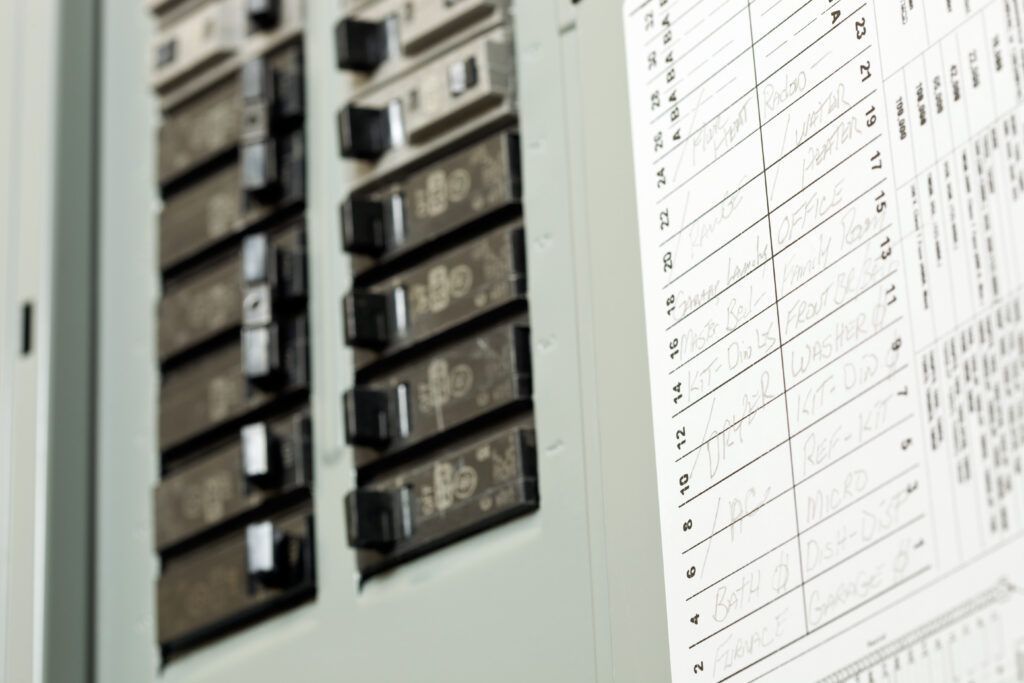
Your electrical panel setup determines what you can plug in, the upgrades that are available, and how reliable your power is. Traditional breaker boxes often

By ONERYNO December 17, 2025
Short days, long nights, and cold snaps all push your electrical system harder in the winter. Space heaters run more often, lights stay on longer,

By ONERYNO December 15, 2025
Smart home technology is not just about cool gadgets. When you connect lighting, thermostats, and major systems to a single plan, you can make your
By ONERYNO November 25, 2025
Your home’s electrical work plays a crucial role in keeping your family both safe and comfortable. Taking the time to search for the best possible
By ONERYNO November 20, 2025
Safety has been a pillar of electricity since Benjamin Franklin conducted the historic Philadelphia kite experiment in the mid-1700s. Benjamin Franklin’s early experiments helped spark
By ONERYNO November 15, 2025
Electrical outlets function in the background of your home, but they handle a lot of power every day. Many of your everyday devices rely on

By ONERYNO November 5, 2025
Water and electricity do not mix, yet many homes have roof leaks, damp basements, or plumbing issues near electrical components at some point. When water